Carved by the mighty Hvítá River, Gullfoss (“Golden Falls”) plunges in two dramatic tiers into a narrow canyon, creating rainbows in its mist and echoing thunder across the rugged Highlands. As one of Iceland’s most iconic natural wonders, Gullfoss combines raw power with easy accessibility—making it a must-visit on the famed Golden Circle route.
Gullfoss begins as a rapid on the glacial-fed Hvítá (“White River”), then drops in two stages: first about 11 meters into a ledge, then another 21 meters into a deep, 70‑meter‑long canyon. The surrounding basalt cliffs and steep gorge were shaped by glacial erosion during the last Ice Age, leaving a dramatic amphitheater of rock that frames the waterfall.
Legend says the falls sometimes glow with a golden hue in the late afternoon sun, inspiring the name Gullfoss. In the early 20th century, investor proposals threatened to divert the river for hydroelectric power. It was local farmer and environmental pioneer Sigríður Tómasdóttir who famously campaigned—walking barefoot on icy paths to Reykjavík and threatening to throw herself into the falls—to protect Gullfoss. Thanks to her efforts, it became one of Iceland’s first protected sites in 1928.
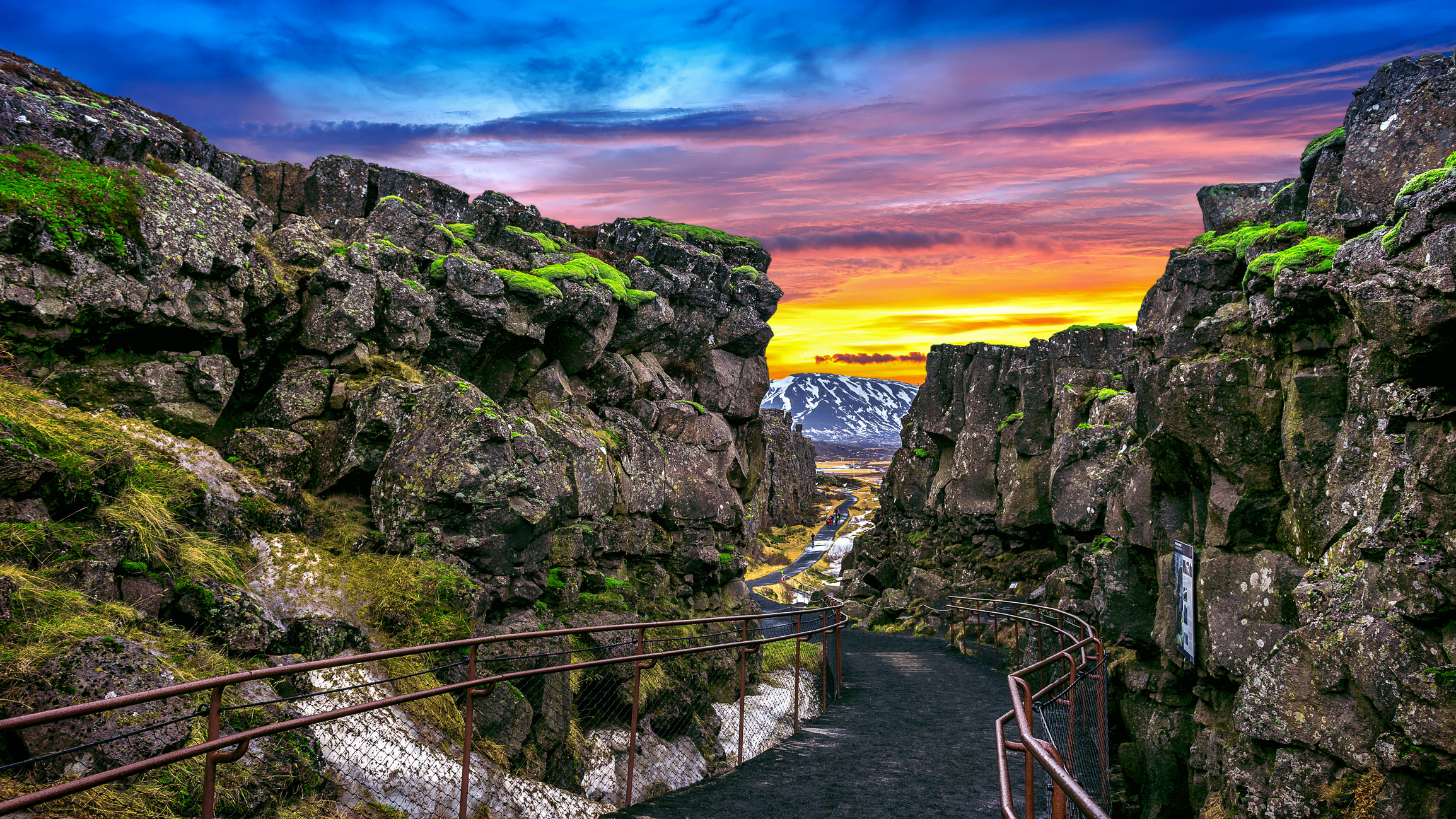
• Viewing Platforms: A network of wooden walkways leads you to overlooks at different heights—one at river level near the first drop, another near the rim of the main plunge. Railings and signs keep visitors safe while allowing up-close views of the cascading torrents.
• Walking Trails: In summer, a trail continues downstream, skirting the canyon’s edge. In winter, paths are compacted and treated for ice, but crampons are recommended for secure footing.
• Visitor Center: Adjacent to the parking area, the center offers restrooms, a café serving hot soup and pastries, and an exhibition on the waterfall’s geology and conservation history.
• Early Morning or Late Afternoon: Soft light and fewer crowds make for dreamy shots, with rainbows arching through the mist on sunny days.
• Winter (November–March): Ice formations cling to cliffs and surrounding rocks; the frozen landscape contrasts with the flowing water—bring a wide-angle lens and protective gear against spray.
• Golden Hour in Summer (May–July): Extended daylight lets you linger as the sun grazes the falls, creating a warm glow on basalt walls.
• Getting There: Gullfoss lies about 120 km northeast of Reykjavík, just off Route 35. The drive takes roughly 1.5 hours by car. Golden Circle tours and public buses also stop here.
• Dress for the Elements: Waterproof layers and sturdy boots are essential—spray from the falls can chill even on sunny days.
• Safety: Stick to marked paths; the rocks near the edge can be slippery. Keep an eye on children and pets.
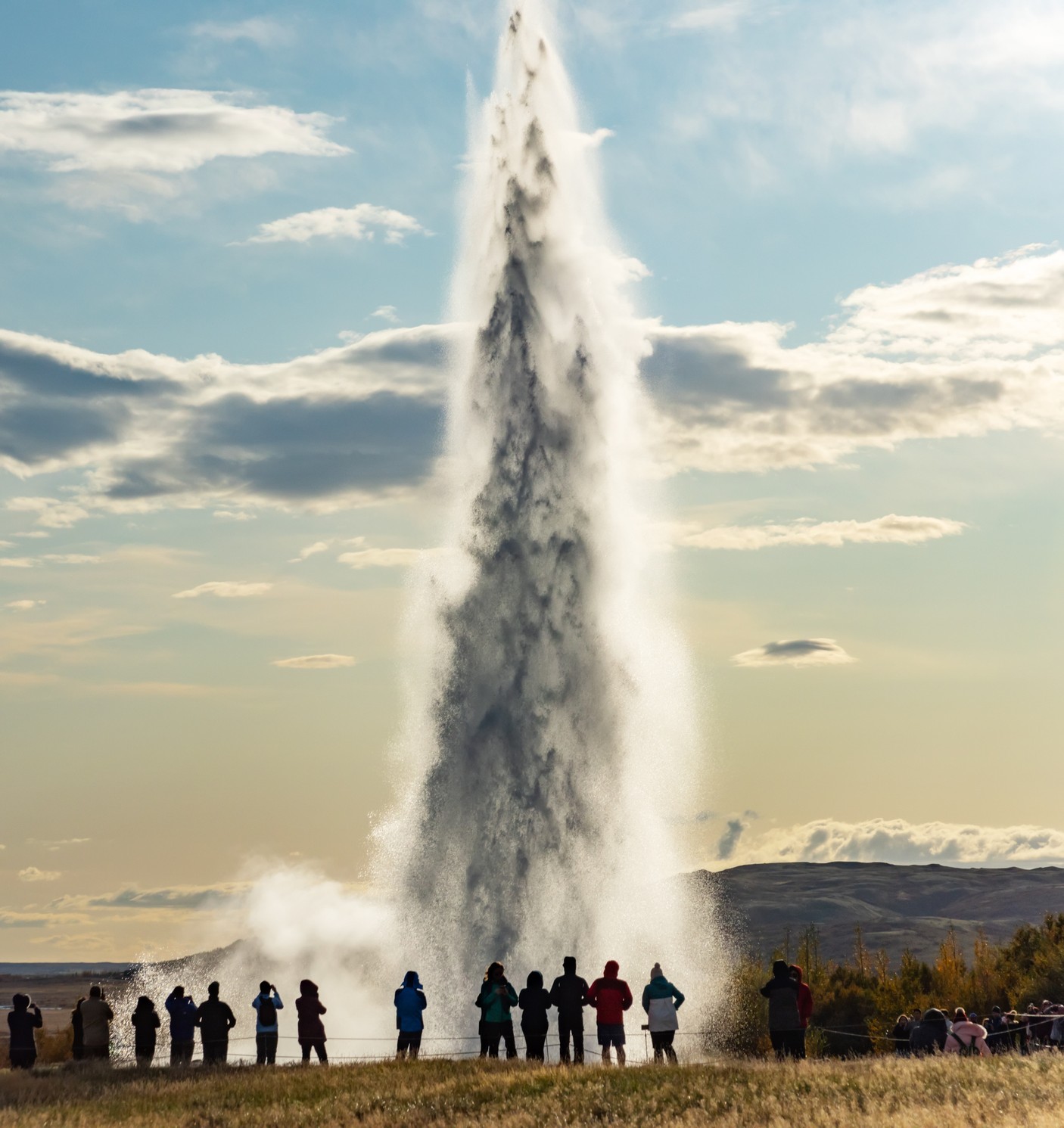
• Combine Nearby Sights: Pair your visit with the nearby Geysir geothermal area (5 km upstream) and Þingvellir National Park (50 km west) for a full Golden Circle experience.
Standing on the brink of Gullfoss, you feel both humbled and exhilarated by nature’s relentless force. The thunderous roar, the swirling mist, and the deep canyon carved over millennia remind us of Earth’s ever-changing landscapes. Whether you glimpse a rainbow in the spray or watch ice crystals sparkle on basalt ledges, Gullfoss will leave an indelible impression—a golden memory of Iceland’s wild heart.





%402x%20(1).svg)
%402x%20(1).svg)
.svg)