Tucked into the geothermal heart of the Haukadalur Valley, Geysir (often called The Great Geysir) is the source of the English word “geyser” and one of Iceland’s most legendary natural attractions. Though its namesake spout has become dormant in recent years, the surrounding geothermal field still delivers an otherworldly showcase of steam vents, hot springs, mud pots, and its more reliable neighbor, Strokkur.
The Great Geysir has been active for over a thousand years, with historical records describing powerful eruptions as early as 1294. At its peak, Geysir would blast boiling water over 60 meters (200 feet) into the air, visible for miles around. However, seismic shifts—earthquakes in 1896 and 2000—have alternately activated and silenced the Great Geysir, leaving it mostly dormant today. Local guides and park staff occasionally stimulate it by pouring soap into the vent, but this practice is now discouraged to protect the delicate geothermal ecosystem.
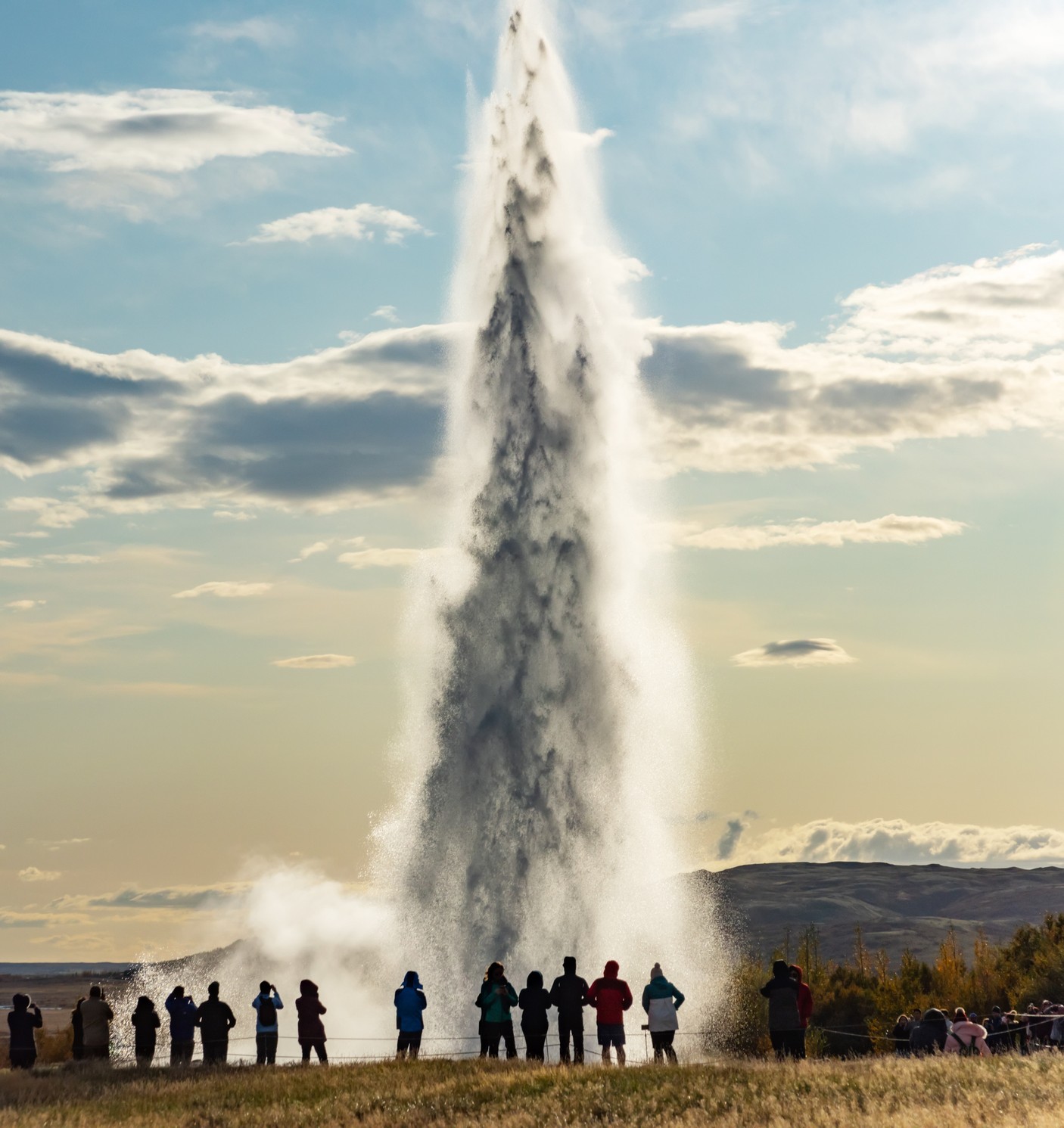
Just a short walk from Geysir sits Strokkur, Iceland’s most reliable geyser. Every 5–10 minutes, Strokkur erupts, sending a plume of scalding water 15–20 meters (50–65 feet) skyward. Watching the rhythmic cycle of bubbles rising through the crystal-clear pool, followed by the sudden, thunderous expulsion of steam and spray, is a prime example of geothermal drama.
Tips for Photographing Strokkur
While Geysir and Strokkur steal the spotlight, the entire Haukadalur Valley brims with geothermal curiosities:
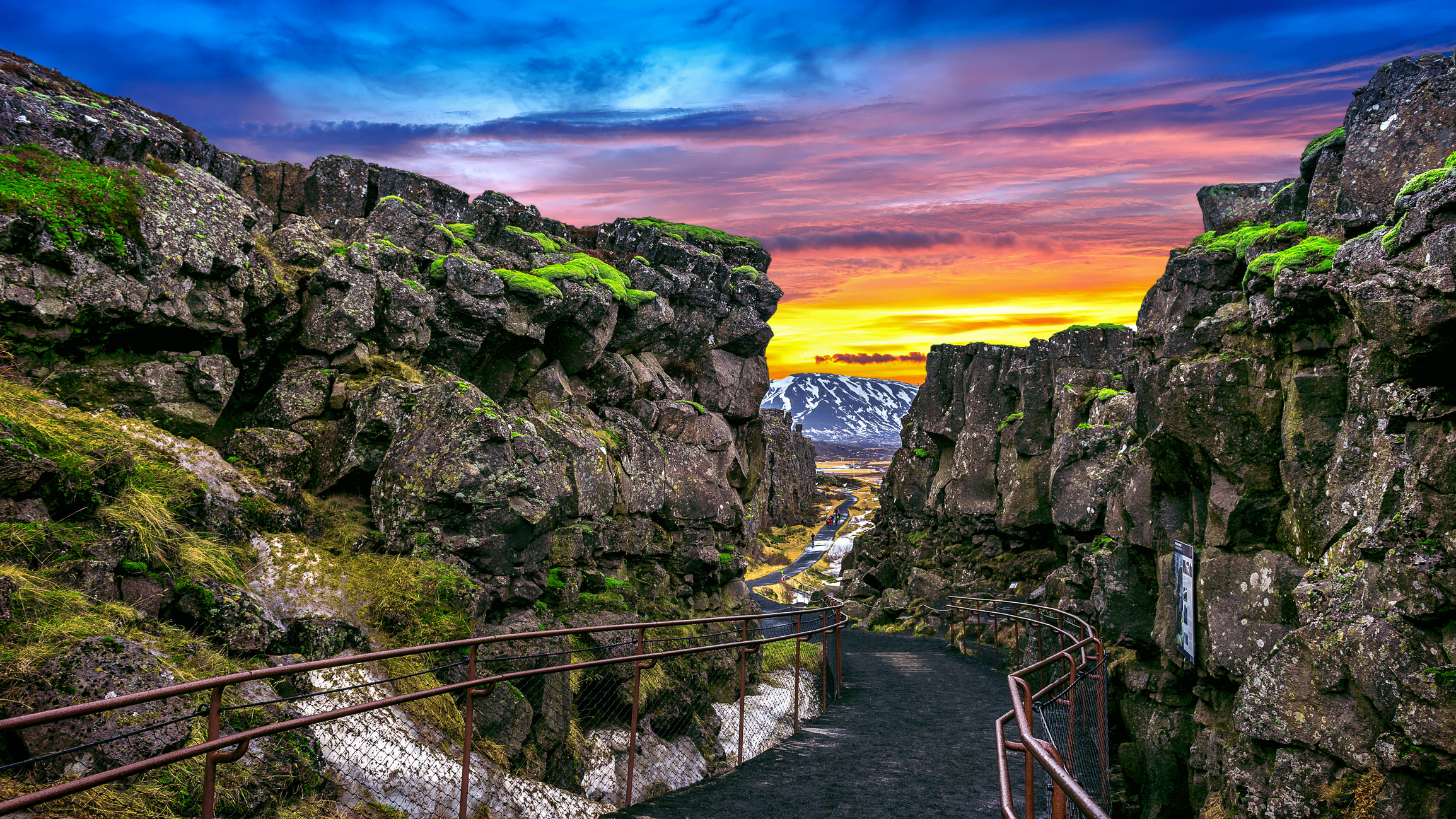
Trails wind through these features, with sturdy boardwalks and viewing platforms ensuring safe exploration even when the ground crackles beneath your feet.
Getting There
Geysir is located about 100 kilometers (62 miles) east of Reykjavík, just off Route 35. It’s a central stop on the Golden Circle circuit and easily reached by car, guided tour, or public bus service during the summer months.
Visitor Facilities
A well-appointed visitor center offers restrooms, a café serving soups, sandwiches, and Icelandic pastries, and a gift shop stocked with locally made soaps, lava rock souvenirs, and thermal-themed skincare products.
Best Time to Visit
Safety Precautions
Geysir and Strokkur embody the earth’s inner furnace, moments where pressure and heat transform subterranean water into spectacular eruptions. Whether you’re a geology enthusiast, a photographer chasing that perfect shot, or a traveler seeking the raw forces of nature, the Haukadalur Valley offers a front-row seat to geothermal theater. Stand at the edge of the steaming pools, inhale the sulfur-tinged air, and marvel at the cycles of eruption and renewal that have shaped Iceland’s





%402x%20(1).svg)
%402x%20(1).svg)
.svg)